Beginner's Guide to Toy Collecting: Start Smart in 2026
New to collecting? What to collect, where to look, how to avoid reproductions and fakes, and how to store and record what you buy.
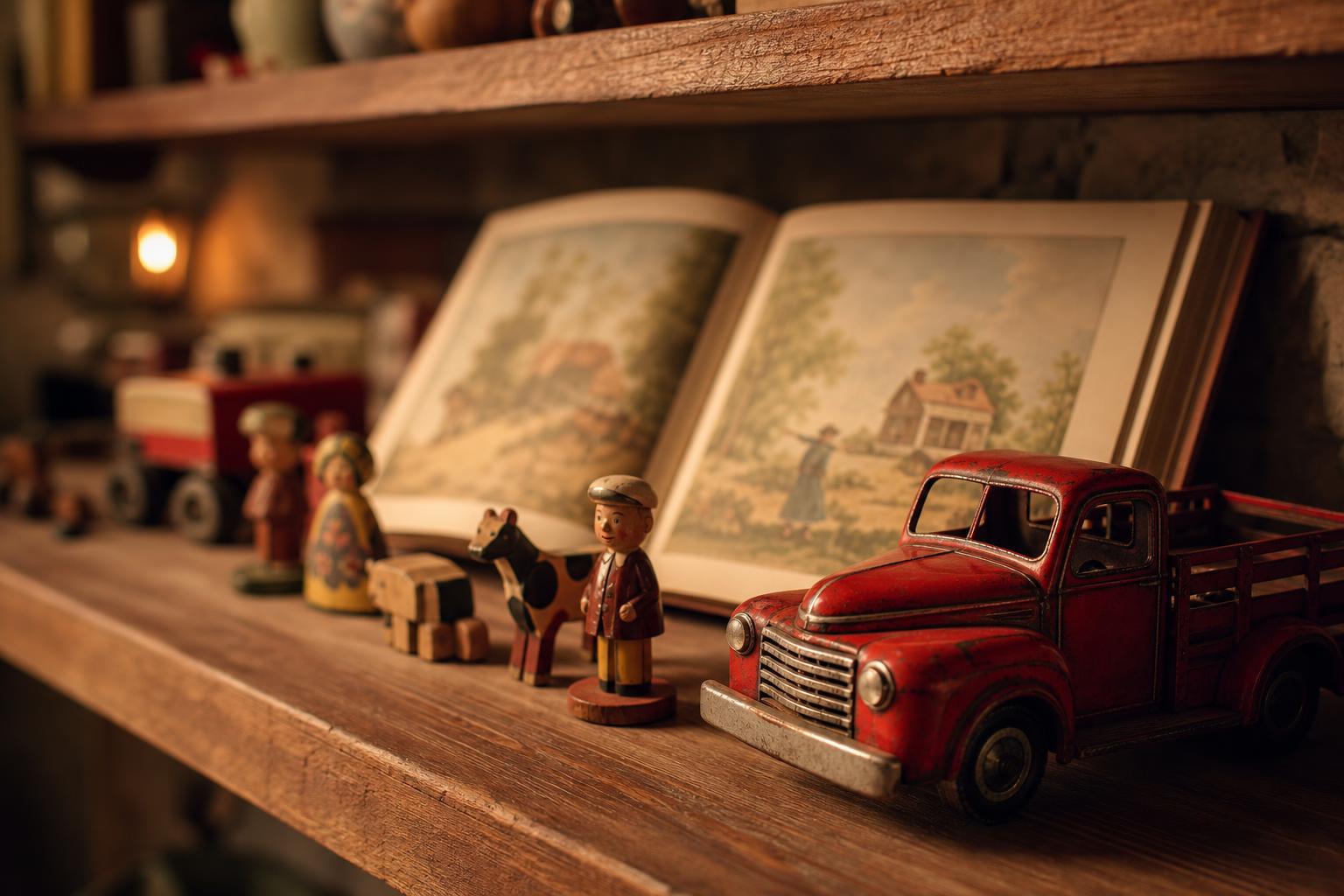
Before you start
Toy collecting is a hobby first. Some toys rise in value and many do not, and nobody can tell you in advance which will. Buy things because you want to own them, and treat any gain as a bonus.
If you already have a collection to deal with, for example one you inherited, start with how to catalog a toy collection instead.
Step 1: Choose a focus
Trying to collect everything is expensive and unsatisfying. Pick a lane:
- A line: Transformers from the 1980s, LEGO Star Wars, early Hot Wheels
- An era: toys from the decade you grew up in
- A theme: robots, dinosaurs, space toys, film tie-ins
- A format: only packaged figures, or only die-cast vehicles
A focus lets you learn one area well, which is the best protection against overpaying.
Step 2: Learn before you buy
- Read what collectors of that line have written. Most established lines have collector forums, reference sites and checklists. Our guides to Kenner Star Wars figures, Hot Wheels Redlines, Matchbox Lesney, Corgi and Dinky, early Barbie and mixed LEGO each link to the specialist references we used.
- Study sold prices. On eBay, filter search results to sold items. Asking prices only show what sellers hope for.
- Handle toys in person. Toy fairs, flea markets and antique shops let you see what different conditions look like.
- Learn the vocabulary. Our glossary of condition and packaging terms covers the abbreviations used in listings.
Step 3: Where to look
Local sources: house clearances and estate sales, garage sales, flea markets, charity and thrift shops, and local classified listings. Prices can be low and you can inspect before buying, but finds are unpredictable.
Online marketplaces: the widest choice, and the most competition. You are relying on photos and the seller's description, so read both closely and check the returns policy.
Toy shows and specialist dealers: usually dearer, with more knowledgeable sellers. A good place to buy when authenticity matters.
Step 4: Reproductions and fakes
Reproduction accessories, stickers and boxes are made for many popular vintage lines, and some are sold without being labelled. Things to check:
- A price far below what the same item usually sells for
- Plastic that looks or feels different from a known original: colour, gloss, weight, flexibility
- Missing or odd markings. Compare the maker's stamp with photos of a genuine example
- Packaging print quality: blurry text, wrong fonts, colours that are off
- Accessories that look newer than the toy
For an expensive purchase, buy from an established dealer or auction house with a clear returns policy, and ask directly whether any part is a reproduction.
Step 5: Storage
- Avoid attics, garages and damp basements. Heat, damp and swings in temperature harm plastic, cardboard and stickers.
- Keep toys out of direct sunlight. It fades packaging and discolours plastic.
- Keep dust off with closed cases or boxes.
- Handle packaging as little as possible, with clean, dry hands.
- Do not clean with harsh chemicals, and never repaint or glue a toy you might sell.
Step 6: Record what you buy
Start a list with the first purchase. For each item record what it is, its condition, what came with it, what you paid and when, and where it is stored, with at least two photos. How to catalog a toy collection explains each column. It makes insurance possible, stops you buying duplicates, and is a kindness to whoever has to deal with the collection after you. A spreadsheet is enough to begin with; there is a free template here.
Step 7: Set a budget
Decide what you can spend each month and keep a note of what you spend. Two habits help: buy the best condition you can afford in fewer items, and be willing to wait. Most toys come up for sale again.
The rule that matters
Collect what you like looking at. If prices fell tomorrow, you should still be glad the shelf is there.
If you pick up something you cannot identify, Catalog My Toys can suggest what it is from a photo. You can try one free scan without an account.